Drinks Menu Guide for Independent Cafes
A practical guide to menu selection and pricing for independent cafe operators.
Menu Size
Extensive menus create operational problems: longer staff training, slower service, higher error rates, increased inventory waste. Six to eight drinks per category is typical for well-run independent cafes.
The temptation is to launch with everything, but a customer who can’t find oat milk will leave, while a customer who can’t find a turmeric latte will simply order something else. Focus on what matters.
Practical approach:
- Launch with core categories only
- Track what customers ask for but can’t get
- Add items based on repeated requests, not assumptions
- Review quarterly and remove anything that isn’t selling
A tight menu executed well will always outperform an extensive menu executed inconsistently.
Core Categories
Four categories should be operational before you open. Everything else is expansion.
Espresso-Based Drinks
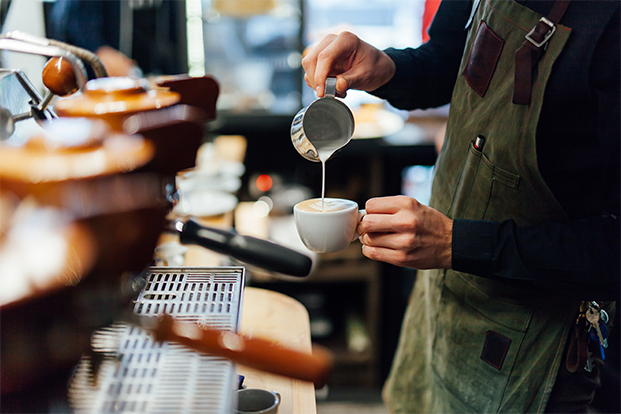
These are flat white, latte, cappuccino, americano, espresso. This is where customers judge your cafe.
Most customers order some variation of espresso with milk. If these drinks are inconsistent – too bitter, too weak, poorly textured milk – nothing else on your menu matters. Invest in proper equipment, quality beans, and thorough barista training before you open.
For your menu, you need five drinks at minimum:
- Espresso (single and double)
- Americano
- Flat white
- Latte
- Cappuccino
Some cafes add cortado, macchiato, or mocha. These are nice to have but not essential at launch; it’s worth instead focusing on those five and perfecting them.
Filter or Batch Brew
There are certain benefits with filter coffee and batch brew: lower cost per cup, faster service, simpler preparation. They are essential for high-volume morning trade when customers want coffee quickly.
Filter also lets you offer premium or single-origin beans without the cost of running them through espresso. A Brazilian single-origin as batch brew gives variety-seeking customers something different from the house espresso.
Consider your space and traffic patterns. If you have a morning rush of commuters, batch brew pays for itself in speed. If your trade is slower and more considered, pour-over might suit your positioning better.
Tea
Tea is a must. English breakfast remains one of the highest-volume hot drinks in the UK, and customers notice when it’s poor quality. Caffe Prima wholesale data shows cafes investing in better tea: bulk quality tea purchases grew significantly year-on-year, as did specialty options like masala chai and flavoured green teas.
Stock four teas to cover most requests:
- English breakfast (quality loose leaf or proper tea bags, not catering dust)
- Decaf (essential for afternoon and evening trade)
- Green tea
- One herbal or specialty option (peppermint and chamomile are safe choices; chai if you want crossover appeal)
Serve tea properly. Pre-warmed pot, fresh boiling water, enough time to brew. A £0.02 tea bag served carelessly loses you repeat customers; the same tea bag served with attention keeps them.
Hot Chocolate
It’s an important item if you want family trade. Children don’t drink coffee, but their parents will buy something while they’re there. Hot chocolate is also highly seasonal – Caffe Prima numbers show that demand increases by around 269% from summer to winter, so plan your inventory and menu board prominence accordingly.
Start with one quality option rather than three mediocre ones. Customers can tell the difference between proper hot chocolate and reconstituted vending powder. A recognisable brand or genuinely premium product justifies a higher price and creates fewer complaints.
Decaf: A Core Product
Many cafe owners treat decaf as a minor add-on, a single bag tucked behind the counter for occasional requests. This is a mistake.
Decaffeinated beans account for approximately 16% of coffee bean purchases at wholesale – roughly one in six coffee orders. That’s a significant portion of your potential revenue.
Customer drivers:
- Afternoon and evening consumption (people who want coffee but not caffeine before sleep)
- Pregnancy and breastfeeding
- Caffeine sensitivity or anxiety
- Health-related reduction
These customers want coffee, not tea. If you can’t serve them a proper decaf flat white, they’ll find a cafe that can.
For your menu:
- Stock good decaf espresso as a standard item, not a special request
- List it visibly on your menu board
- Train staff to offer it naturally (“Would you like regular or decaf?”)
- Use quality decaf that preserves the flavour, this is especially important for decaf espresso as not all decaf methods help maintain the dense body, rich crema, and bold flavour that makes espresso shots so good.
On pricing: The cost difference is approximately 4p per shot (£0.13 versus £0.09). This doesn’t justify a significant surcharge. Many cafes now price decaf the same as regular.
Non-Dairy Milk
Plant-based milk is now a baseline expectation, not a specialist request. According to government survey data, approximately 10% of UK consumers reported consuming plant-based drinks, with oat the most popular alternative.
What to stock:
Oat milk should be your default. It’s the most requested alternative, froths well, and has a neutral taste that works with espresso. If you only stock one non-dairy option, make it oat. Most customers who ask for “non-dairy” or “plant-based” will accept oat without further question.
Soy milk is the established backup – lower cost, widely available, familiar to customers. But it can curdle in acidic or very hot coffee, and some find the taste overpowering. Keep it available but don’t lead with it.
Almond, coconut, and others can be added based on customer requests. They’re not essential at launch.
On pricing: Non-dairy costs more, approximately £0.32 per 200ml for oat versus £0.12 for dairy. You have three options:
- Absorb the cost (simpler, increasingly expected)
- Add a small surcharge (30-50p is typical)
- Price all milk drinks the same at a level that accounts for the mix
The trend is moving toward no surcharge as plant-based becomes mainstream. Consider your customer base and local competition.
On allergens: Keep alternatives clearly labelled and train staff on which products contain nuts. This matters for customer safety and for answering questions confidently.
Choosing Coffee Beans
Your house espresso is the most important product decision. Most customers won’t know whether you’re serving Colombian or Brazilian, but they’ll know if it tastes good.
Start with a versatile house coffee. Multi-origin coffees (coffee blends) are popular with independent cafes because they’re forgiving: they work across different machines, suit a range of customer preferences, and don’t require specialist knowledge to dial in. A medium roast with balanced flavour is safer than something distinctive that might alienate half your customers.
Consider a second option. A single-origin (Colombian and Brazilian are reliable choices) works well as:
- A filter or batch brew option
- A premium espresso that customers can trade up to
- Something to talk about with coffee-interested customers
Don’t overlook darker roasts. Not every customer wants light, fruity, third-wave coffee. If your area has traditional tastes – older demographics, working-class neighbourhood, customers who remember when coffee was just “coffee” – a bolder, more traditional roast may sell better than you’d expect.
Remember decaf. At 16% of wholesale coffee sales, decaf outsells many regular options. Stock it properly with beans you’d be happy to drink yourself.
What to Add Next
Once your core menu is running smoothly – staff confident, quality consistent, no bottlenecks during busy periods – consider expanding.
Chai Latte
Chai is the fastest-growing hot drink category, Caffe Prima wholesale sales grew 38-94% year-on-year across formats. This drink deserves serious consideration for your core menu rather than being treated as an add-on.
Ready-to-use chai powders require only hot water, no milk to steam, no espresso machine, no complex preparation. This makes it fast to serve and easy to train. Ingredient cost is approximately £0.28 per portion with strong margins.
Offer at least spiced chai. If it sells well, consider adding vanilla chai or dirty chai (chai with a shot of espresso – popular with customers who want something different from a latte but still want caffeine).
Iced Coffee
Essential for summer. As temperatures rise, iced drinks can become 20-30% of sales.
At minimum, offer iced latte and iced americano (both simple adaptations of drinks you already make). Cold brew requires more planning (12-24 hour brew time) but has a distinctive flavour and commands a premium.
Plan your iced coffee setup before summer arrives. You’ll need ice supply, appropriate cups, and potentially cold storage for batch cold brew.
Seasonal Drinks
Demand shifts significantly with the seasons. Caffé Prima data shows the scale of change between summer (May-September) and autumn/winter (October-February):
Category | Seasonal shift in demand (summer → winter) |
Hot chocolate | +269% |
Coffee | +23% |
Chai latte | +91% |
Milkshakes | -26% |
Bubble tea | -65% |
What this means for your menu:
Hot chocolate, coffee, and chai are winter drinks. Bubble tea and milkshakes are summer drinks. Plan your inventory, promotions, and menu board space accordingly.
Limited-time seasonal drinks (pumpkin spice in autumn, gingerbread in winter, iced specials in summer) create buzz and give regulars a reason to try something new. Keep them simple to make as complex seasonal drinks that slow down service aren’t worth the Instagram post.
Bubble Tea
Appeals to younger customers and commands premium pricing (£5-7 typical). Worth considering if you’re near schools, colleges, or in an area with younger demographics.
However, higher ingredient cost, requires specific supplies (tapioca pearls, wide straws, sealing equipment), and preparation is more complex than other drinks. It’s also highly seasonal – demand drops by around 65% from summer to winter. Test with a starter kit in spring/summer before committing to full setup. Global Boba starter kit is priced at £40 and gives you everything you need to produce 20 servings of various bubble tea – £2.00 per serve.
Milkshakes
The milkshake category is accommodating plant-based options. Traditional dairy milkshake sales are down 24-49% year-on-year at wholesale, while vegan frappe powders are growing. Milkshakes are also seasonal – demand drops around 26% from summer to winter. If adding milkshakes, consider leading with a vegan frappe option rather than building out a full traditional range. This simplifies allergen management and appeals to a broader customer base.
Understanding Your Margins
Knowing your ingredient costs helps you price confidently and identify where the profit lies.
Ingredient Costs Per Portion based on Caffe Prima Bulk Prices
Product | Portion | Cost |
Espresso (single shot) | 8g beans | £0.09 |
Decaf espresso | 8g beans | £0.13 |
Tea | 1 bag | £0.02 |
Chai latte | 25g powder | £0.28 |
Granulated milk | 15g | £0.12 |
Koko milk | 200ml | £0.32 |
Milkshake | per serving | £1.25 |
Bubble tea | per serving | £2.00 |
What This Means for Pricing
Flat white: £0.09 (coffee) + £0.12 (milk) = £0.21 ingredients. At £3.50 retail, that’s 94% gross margin. Coffee drinks are extremely high margin if you control waste and maintain quality.
Decaf flat white: £0.25 ingredients — only 4p more than regular. No justification for charging significantly more.
Tea: £0.02 per bag. At £2.50 retail, ingredient cost is under 1%. Tea is your highest-margin drink — but only if you serve it properly. Poor tea service drives customers away regardless of margin.
Chai latte: £0.28 ingredients (powder includes milk, just add hot water). Good margin, simple preparation, growing demand.
Oat milk flat white: £0.09 (coffee) + £0.32 (oat milk) = £0.41 ingredients. Still 88% margin at £3.50, but the £0.20 extra cost is why some cafes charge a surcharge.
Pricing Strategy
Don’t price based on ingredient cost alone. Consider:
- What competitors charge locally
- Your positioning (budget-friendly vs premium)
- Speed of service (higher-volume cafes can accept lower margins)
- Customer expectations in your area
Round to easy numbers. £3.50 is easier to handle than £3.45, and customers don’t notice the difference.
Operational Consistency
Customers return to cafes where they know what they’ll get. A tight menu executed consistently will always beat an extensive menu where quality varies.
Document every recipe. Exact measurements, shot times, milk temperatures, preparation steps. Written down and accessible to any staff member, not stored in someone’s head. This matters most when you’re not there.
Train to identical standards. Every barista should make a flat white the same way. If quality depends on who’s working the shift, you have a problem that will cost you repeat customers.
Invest in equipment properly. Your grinder affects quality more than your espresso machine. Pre-ground coffee goes stale quickly; fresh grinding is non-negotiable. Entry-level “semi-professional” machines aren’t built for cafe volume, they produce inconsistent results and fail under heavy use.
Maintain on schedule. Daily cleaning, regular descaling, filter replacement on time. Equipment that isn’t maintained will fail during your busiest period.
Supplier Management
Independent cafes typically need multiple suppliers: coffee, tea, hot chocolate, chai, non-dairy milk. Each brings separate accounts, minimum orders, delivery schedules, and invoices. This administrative overhead adds up quickly for a small operation.
Options to consider:
Cash and carry — Works for emergencies and basics. Limited range, near-retail pricing, requires your time to collect. Not sustainable as a primary supply route.
Consolidated suppliers — Some suppliers stock multiple categories from one account. Caffé Prima, for example, a one stop beverage supplier for hospitality businesses in the UK, offers beans, tea, hot chocolate, chai, and milk alternatives with free delivery over £45. Fewer accounts means less admin and simpler ordering.
Reduce supplier count — Two to three reliable suppliers is more manageable than five or six. Better to have strong relationships with fewer partners than to juggle accounts you barely have time to manage.
Build relationships — A supplier who knows your business can recommend products, alert you to new options, and prioritise your orders when stock is tight. This matters more than saving a few percent on commodity products.
Frequently Asked Questions
What drinks should a small cafe serve?
Start with four core categories: espresso-based coffee (flat white, latte, cappuccino, americano), filter or batch brew, tea (English breakfast plus two or three alternatives), and hot chocolate. Add decaf espresso from day one – it accounts for approximately 16% of coffee orders. Stock oat milk as your default non-dairy option. Chai is now popular enough to consider as a core item rather than an add-on.
How many drinks should be on a cafe menu?
Six to eight drinks per category. A tight menu reduces staff training time, speeds up service, lowers error rates, and minimises inventory waste. You can expand once your core menu is running consistently.
What percentage of coffee orders are decaf?
Approximately 16%, based on 12 months of UK wholesale data from Caffé Prima. That’s roughly one in six coffee orders making decaf the fourth highest-selling coffee category, ahead of many regular options.
Should I charge more for decaf coffee?
No, or only marginally. Decaf beans cost approximately £0.13 per shot versus £0.09 for regular – a difference of 4p. This doesn’t justify a significant price premium. Many UK cafes now charge the same for decaf as regular.
What’s the best non-dairy milk for cafes?
Oat milk. It’s the most popular plant-based option in the UK according to government survey data, froths well, and has a neutral taste that works with espresso. If you only stock one non-dairy alternative, make it oat.
Should I charge extra for oat milk?
Market practice varies. Oat milk costs approximately £0.32 per 200ml versus £0.12 for dairy – a £0.20 difference. Some cafes absorb this cost; others add 30-50p. The trend is moving toward no surcharge as plant-based milk becomes mainstream.
What does a flat white cost to make?
Approximately £0.21 in ingredients: £0.09 for an 8g shot of espresso plus £0.12 for milk. At a typical retail price of £3.50, that’s a 94% gross margin. With oat milk, ingredient cost rises to £0.41 (88% margin at £3.50).
What margin should a cafe make on coffee?
Ingredient margins on espresso drinks are typically 88-94% at UK retail prices. A flat white with dairy milk costs around £0.21 in ingredients and sells for £3.00-£3.80. However, ingredient cost is only part of the picture – factor in rent, labour, equipment, and waste.
Is chai popular in UK cafes?
Yes. Chai is currently the fastest-growing hot drink category in UK wholesale, with year-on-year growth between 38% and 94% across different formats (spiced chai, vanilla chai, dirty chai). Ready-to-use powders cost approximately £0.28 per portion and require only hot water.
Should I add bubble tea to my cafe menu?
It depends on your customer base and timing. Bubble tea appeals primarily to younger demographics and commands premium pricing (£5-7 typical). However, ingredient costs are higher (approximately £2.00 per serve), you’ll need specific supplies, and it’s highly seasonal – demand drops around 65% from summer to winter. If you’re near schools or colleges, test with a starter kit in spring/summer before committing. If your customers are older or you’re launching in autumn, it may not be worth the investment.
Are milkshakes worth selling in a cafe?
Yes, but understand the trends. The category is shifting from only traditional dairy milkshakes (down 24-49% year-on-year) toward having a vegan frappe option on the menu (growing). Milkshakes are also seasonal – demand drops around 26% from summer to winter. Consider featuring a vegan frappe as well as traditional range.
What hot chocolate should a cafe stock?
One quality option rather than several mediocre ones. Wholesale data shows commodity/vending hot chocolate declining, while branded options hold steady. Stock a recognisable brand or genuinely premium product.
What tea should a cafe offer?
Four teas covers most requests: English breakfast (quality, not catering dust), decaf (essential for afternoon trade), green tea, and one herbal or specialty option. Wholesale data shows cafes investing in better tea stock – bulk premium tea purchases are up significantly, as are specialty options like masala chai and flavoured green teas.
What coffee beans do most UK cafes buy?
Most independent cafes choose versatile multi-origin coffees that work across different machines and suit broad customer preferences. Single-origin options (Colombian and Brazilian are most popular) are growing and work well as filter offerings or premium alternatives. Darker roasts remain popular as not every customer wants light, fruity coffee.
How do I price drinks for my cafe?
Don’t price on ingredient cost alone. Consider: what competitors charge locally, your positioning (budget vs premium), your service speed, and customer expectations. Ingredient costs for espresso drinks are typically £0.21-£0.41 depending on milk choice; tea is around £0.02; chai is approximately £0.28. Round prices to easy numbers – £3.50 is simpler than £3.45.
Which cafe drinks are seasonal?
Hot chocolate, coffee, and chai are winter drinks; bubble tea and milkshakes are summer drinks. Caffe Prima data shows hot chocolate demand increases by +269% from summer to winter, while bubble tea drops by -65%. Coffee demand rises +23% in colder months. Plan your inventory and menu board space around these shifts – promote hot chocolate prominently from October, and don’t overstock bubble tea supplies going into autumn.
Data in this guide is based on 12 months of wholesale sales through Caffé Prima (December 2024 – November 2025) and advertising performance data (October – February 2024 vs May – September 2025). Caffé Prima supplies coffee, tea, and hot drinks to independent cafes across the UK. Ingredient costs are calculated from Caffé Prima trade pricing.