The Real Cost of the 2026 National Living Wage Increase for Food Service Businesses

The National Living Wage rose to £12.71 per hour on 1 April 2026. That is a 4.1 per cent increase from £12.21, and for businesses in food service and hospitality, the timing lands alongside higher employer National Insurance contributions and continued pressure on energy and ingredient costs. The combined picture is the most significant cost event for food service operators since the post-pandemic inflation period.
This article sets out what the increase actually costs at different business scales, why food service absorbs the impact more heavily than most sectors, and where procurement and operations teams are finding practical room to respond.
The cost per business, at scale
For a single full-time worker on the National Living Wage, the April 2026 increase adds £900 per year in wage costs, according to UKHospitality. That figure does not include the uplift in employer National Insurance contributions on those higher wages. Across a business with ten staff, most or all of them minimum or near-minimum wage workers, the additional annual cost reaches £9,000 or more before the NI calculation is applied.
The 18-to-20 rate has risen further still, from £10.00 to £10.85, a jump of 8.5 per cent. Food service businesses employing significant numbers of younger workers face a proportionally larger increase. The current rates for all age brackets are published on GOV.UK.
UKHospitality has estimated that the April 2026 wage increases represent £1.4 billion in additional costs across the hospitality sector. That figure encompasses the full hospitality industry. For food service specifically, including contract catering, workplace dining, and independent food outlets, the proportion is significant given the sector’s labour-to-revenue ratio.
Why food service absorbs this harder than most sectors
Labour costs in food service typically account for 30 to 40 per cent of total operating costs. That is materially higher than most retail or manufacturing environments. When the NLW increases, food service businesses face a direct hit to that largest cost line, with limited ability to offset through automation in the short term.
The ONS Workforce Jobs dataset shows that accommodation and food service activities account for over 2.5 million jobs in the UK. A high proportion of those roles are minimum-wage or near-minimum-wage positions. That concentration makes food service one of the sectors most directly exposed to NLW changes in the short term.
Food service businesses also carry relatively thin net margins, typically between 5 and 15 per cent depending on sector and format. A £9,000 increase in annual wage costs requires a disproportionate lift in revenue or a corresponding reduction in other costs to maintain margin.
Where procurement teams are finding room
Reducing headcount is rarely a workable first response. It affects service quality, increases remaining staff workload, and in a sector already dealing with recruitment difficulties, it compounds a structural problem.
The more productive approach is a systematic review of supplier and procurement relationships. Food service businesses that have not renegotiated key supplier arrangements in the past 12 months are likely paying above the current market rate on several ingredient lines, including coffee. Ordering in larger volumes with fewer deliveries reduces both unit cost and logistics overhead.
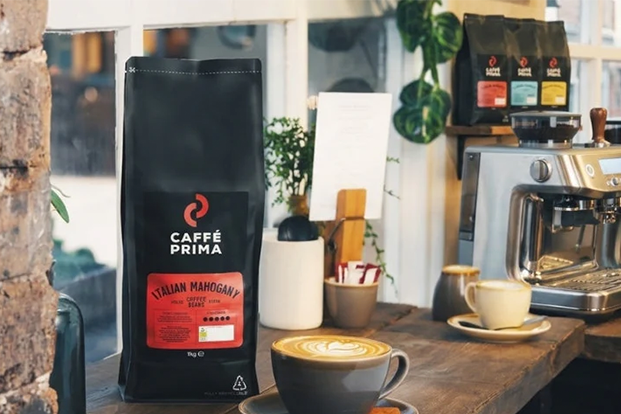
As one example: businesses sourcing coffee for workplace or café service through Caffé Prima’s wholesale range can access freshly roasted beans from £11.99 per kilo, with no minimum order and free next-day delivery on orders over £45. At approximately 130 cups per kilo, the cost-per-cup calculation is straightforward to run against a current supplier contract.
Supplier consolidation produces similar savings across multiple categories. A single supplier covering coffee, hot chocolate, tea, and ancillary beverages reduces delivery costs, invoice volume, and account management time. Each of those savings compounds across a 12-month period.
What food service operators should do now
The April 2026 NLW increase is unlikely to be the last. The Low Pay Commission has signalled continued upward pressure on minimum wage rates, and food service businesses that treat each increase as a one-time event rather than a structural condition will find themselves reacting each April rather than planning ahead.
A quarterly supplier review process, applied consistently, gives procurement and operations teams a reliable mechanism to find savings before they are needed. Menu pricing should be reviewed against current ingredient costs on the same cycle. These are standard procurement disciplines that food service businesses of all sizes can implement without specialist resource.
The cost of inaction is measurable. For every thousand pounds in unrecovered cost, a food service business earning a 10 per cent net margin needs ten thousand pounds in additional revenue to stay level. At that multiple, procurement efficiency becomes a primary rather than secondary commercial priority.