Where Brands and People Thrive
Aimia Foods are a market leading food and beverage company. We delight in developing, manufacturing and nurturing our own brands, as well as managing, manufacturing, and distributing some of the worlds' best loved brands.
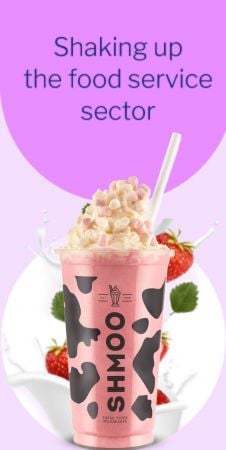
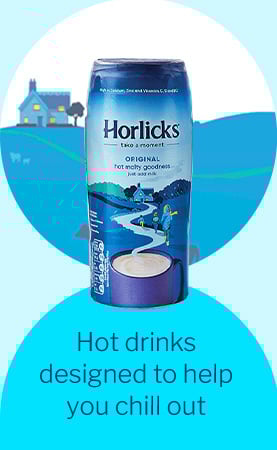
The Brands we Own, Work with and Love




Explore Our Products
Excellence in all that we do
Our mission is to enrich the lives of consumers, meeting their needs by providing quality brands and products.
We deliver excellence consistently, exceeding the expectations of our customers, partners, colleagues and shareholders.
Our Services
Brand Management & Licensing
We continuously delight our brand partners and customers, delivering excellence, and being first to market with product development. “Big enough to do things well but small enough to do them quickly”.
Co-Manufacturing & Outsourcing
With the ability to manufacture for multiple categories, pack formats and channels, we have created products on behalf of some the world's biggest brands, BRC accredited and food standards approval from multiple retailers, your brands are safe with us.
90%
Our products are present in 90% of UK households
£1
£1 in every £5 spent on Hot Milky Drinks in the UK is spent on products manufactured by Aimia Foods.
Get latest news
Our 22km walk for Alder Hey Children’s Charity.
Our 22km walk for Alder Hey Children’s Charity. On 12th July 2024, our team here at Aimia Foods walked 22km from the doors of our offices in St....
How to create the perfect Shmoo milkshake
How to create the perfect Shmoo milkshake Ever wondered how to create the perfect Shmoo milkshake? Check out our video and step-by-step instructions...
We’re shaking up Horlicks, taking our fortification roots and stretching into nourishment and...
We have rebranded! That’s right! We have rebranded a lot of our assets to better reflect who we are as a company. Here at Aimia Foods,...
The UK bubble tea market has reached a tipping point. What started as a niche trend in London's Chinatown has exploded into mainstream demand, with...
Working Towards
100% Recyclable Packaging for our Brands
At Aimia, we are commited to leave a positive impact on our Environment, Communities and Employees and continously look for ways to improve.

Work with Us
Working at Aimia Foods
We have an excellent team at Aimia Foods, across all departments and its the people who are at the heart of this business.
95%
of our people have a passion for success
99%
of our people believe they make a valuable contribution to Aimia’s success
92%
of people feel proud to work for Aimia
90%
of people feel their job is good for their personal growth
Get in touch
Whatever your enquiry, whether brand, product or business related, we would love to hear from you.
